
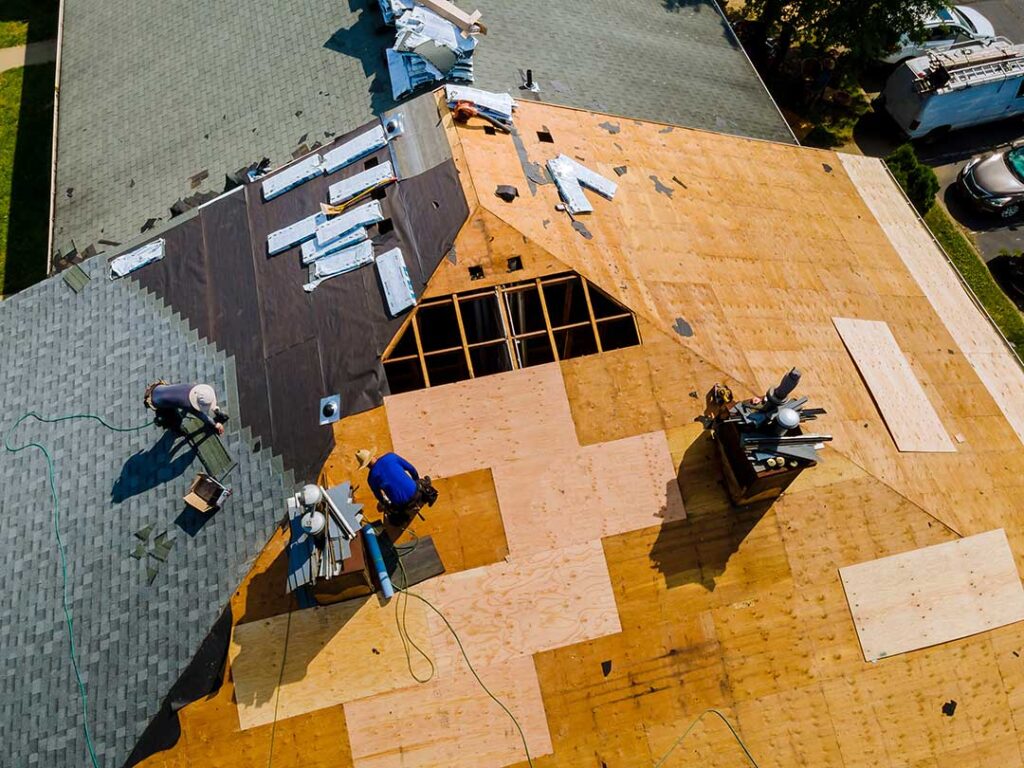
A roof affects more than a home’s appearance. In East Amherst, NY, its age, condition, installation quality, and expected remaining service life can influence buyer confidence, appraisal discussions, insurance considerations, and the total cost of owning the property.
A new roof does not automatically add its full replacement cost to a home’s selling price. Its value often comes from reducing visible risk and preventing buyers from negotiating down for repairs that may soon be necessary.
Does a new roof increase a home’s value?
Usually, a new roof can support home value, but the financial return is rarely a simple dollar-for-dollar exchange. Buyers generally pay more readily for a home with a roof that is sound, recently installed, and supported by clear documentation.
A newer roof may help by:
- Reducing the buyer’s immediate repair budget
- Making the property more appealing during showings
- Lowering concern about leaks, damaged decking, or hidden moisture
- Supporting smoother lender and insurance reviews
- Strengthening the home’s overall condition compared with similar properties
The effect is greatest when the existing roof is visibly worn, near the end of its expected life, or showing signs of failure. If the current roof still has substantial remaining life, replacing it solely to increase resale value may not produce the same benefit.
Why does roof condition matter so much to buyers?
Roof problems can create uncertainty beyond the roof itself. A buyer may worry that water has reached attic insulation, ceilings, wall cavities, framing, or electrical components. Even when no interior damage is visible, the possibility of concealed problems can affect an offer.
A roof replacement is also disruptive and expensive. Buyers may account for the cost of materials, removal, labor, permits where applicable, disposal, and possible repairs beneath the shingles. They may also add a contingency for unknown conditions discovered during the work.
For that reason, a roof in poor condition can reduce perceived value by more than the estimated price of new shingles. Buyers are often pricing in inconvenience, scheduling difficulties, and uncertainty—not just materials.
How do East Amherst weather conditions affect roofing value?
Local weather makes roof performance especially relevant. Homes in the community must withstand winter snow, repeated freeze-thaw cycles, wind, spring moisture, and occasional ice buildup along roof edges.
These conditions can expose weaknesses such as:
- Brittle or cracked roofing materials
- Loose flashing around chimneys, walls, and roof penetrations
- Inadequate attic ventilation
- Ice dam-related water intrusion
- Damaged gutters or poorly directed drainage
- Shingle loss after high winds
A roof that has been properly installed and maintained gives buyers more confidence that it can manage seasonal stress. That confidence may matter during a home inspection, particularly when the roof has visible wear or when its age is difficult to verify.
Does roof age affect appraisal value?
Roof age can influence an appraisal, but it is only one part of the valuation process. Appraisers generally consider the roof in relation to the home’s overall condition, comparable properties, functional usefulness, and local market expectations.
A roof that is near the end of its expected life may be treated as a deferred maintenance issue. That does not always result in a direct deduction equal to the cost of replacement, but it can affect the appraiser’s assessment of condition.
Documentation helps establish the roof’s age and history. Useful records may include:
- Installation date
- Product and material information
- Permit records, when applicable
- Transferable warranties
- Inspection or maintenance records
- Receipts for repairs and ventilation improvements
A folder containing these documents can make it easier for a buyer, appraiser, insurer, or lender to understand what work was completed.
Is a roof replacement better than repairing the existing roof?
The right choice depends on the roof’s remaining service life and the extent of the damage. A targeted repair may be more financially sensible when the problem is limited and the surrounding roofing materials remain in good condition.
Replacement may be more appropriate when:
- Leaks are recurring in multiple areas
- Shingles are extensively curled, cracked, or missing
- Granule loss is widespread
- Flashing failures are repeated
- The roof has reached the later part of its expected life
- Previous repairs have become frequent or difficult to match
- Moisture damage has affected underlying materials
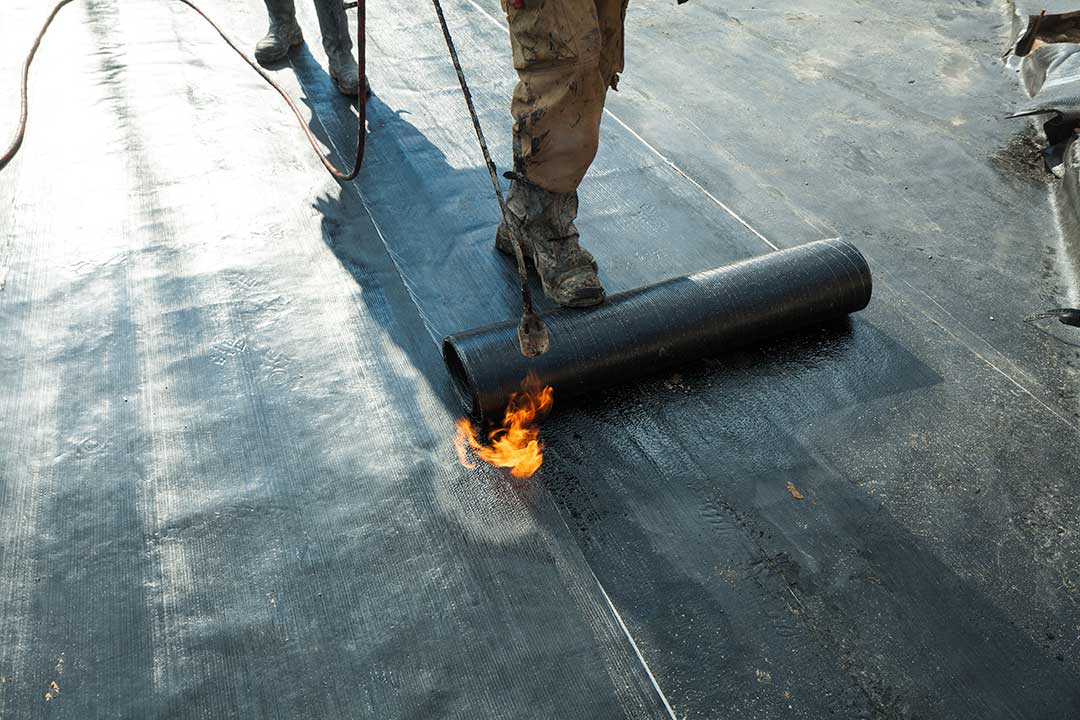
A new roof installed over a structurally sound roof deck can improve appearance and reliability. However, covering up underlying deterioration does not create lasting value. Hidden damage, inadequate ventilation, or drainage problems should be addressed rather than concealed.
What roofing details matter most during a home sale?
Buyers usually care less about technical terminology than about whether the roof is dependable, properly documented, and unlikely to create near-term expenses. Several details can make a meaningful difference.
Installation quality
A roof’s value depends on more than its installation date. Poorly aligned shingles, exposed fasteners, damaged flashing, weak ventilation, and improper drainage can reduce the benefit of a recent replacement.
Remaining service life
A roof installed several years ago may still provide strong value if it has been maintained and has many reliable years remaining. Conversely, a roof described as “new” may not be reassuring if workmanship or material quality is questionable.
Ventilation and moisture control
Adequate attic ventilation helps manage heat and moisture. Poor ventilation can contribute to condensation, mold growth, premature shingle aging, and winter-related problems.
Drainage
Gutters, downspouts, roof slopes, and nearby grading all influence how water moves away from the structure. A roof replacement does not solve foundation or wall moisture issues if drainage remains poorly managed.
Visual condition
Curb appeal is not the main measure of roofing performance, but a clean, uniform roof can improve a buyer’s first impression. Missing shingles, dark stains, sagging areas, and mismatched repair patches may raise questions even when the roof is not actively leaking.
Can a new roof help a home sell faster?
It can, especially when competing homes have older or visibly distressed roofs. A buyer comparing similar properties may favor the one that appears ready for occupancy without a major exterior project.
Still, a roof replacement cannot compensate for serious problems elsewhere. Buyers may place greater weight on structural condition, water management, heating systems, windows, electrical components, or overall maintenance.
The strongest effect usually occurs when the roof replacement is part of a well-maintained property rather than an isolated upgrade. Buyers tend to interpret a sound roof as evidence that the home has received consistent care, although that assumption should still be verified through inspection.
Should a homeowner replace the roof before selling?
Not always. Replacement is more likely to make sense when the roof is leaking, visibly failing, difficult to insure, or likely to become a major negotiation issue. A roof that is older but serviceable may be better handled through accurate disclosure, maintenance records, and a realistic asking price.
Before making the decision, homeowners can compare:
- The roof’s actual condition
- The likely remaining service life
- The cost of necessary repairs
- The expected effect on buyer negotiations
- Whether other improvements would address more urgent concerns
- The availability of reliable documentation
An inspection can clarify whether the roof has a localized defect or a broader problem. If hazardous conditions, active leaks, structural deterioration, or unsafe access are present, qualified assistance is appropriate because roof work can involve fall hazards and hidden building damage.
A new roof is most valuable when it provides dependable performance, clear evidence of proper installation, and fewer questions about near-term ownership costs. For homes in East Amherst, that practical certainty can matter as much as the roof’s appearance.
