
What Causes Moss and Algae Growth on Roofs in East Amherst, NY?
Moisture, shade, and organic debris create favorable conditions for moss and algae to thrive on roofs in East Amherst, NY. The region’s humid summers, frequent rainfall, and periods of substantial shade—especially in tree-heavy neighborhoods—lead to persistent dampness on roofing surfaces. North-facing roof slopes and areas shaded by large trees are particularly susceptible.
Moss appears as thick, green clumps that retain water, while algae often resemble dark streaks or patches. Growth typically starts where leaves, pine needles, or other debris collect and trap moisture.
Is Moss or Algae Harmful to My Roof?
Both moss and algae can reduce roof life and curb appeal, but in different ways. Moss holds water against shingles, increasing the risk of leaks, lifting shingle edges, and promoting decay. Over time, this can accelerate shingle deterioration, contributing to granule loss on asphalt roofs. Algae, though less structurally damaging, causes unsightly staining and makes surfaces more slippery, sometimes contributing to premature aging of roofing materials.
Roofs in East Amherst are susceptible to damage if moss or algae are left unchecked over several seasons. Prolonged moisture exposure can also attract pests and encourage mold growth in the attic or eaves.
What Are the Most Effective Ways to Remove Moss and Algae?
Gentle manual removal and careful use of cleaning solutions are the safest and most effective options for area homes. For minor moss or algae, a soft-bristled brush or broom can be used to gently loosen growth, working down the slope to avoid shingle damage. Water from a garden hose—never a pressure washer, which can strip granules—may help rinse the debris.
For heavier or persistent patches, homeowners commonly use a diluted mixture of water and oxygen-based bleach (not chlorine bleach, which can harm vegetation and corrode building materials). This solution can be applied with a pump sprayer, left to sit for 15-20 minutes, and then gently rinsed. Always:
- Protect landscaping and gutters from runoff by rinsing them thoroughly before and after application
- Avoid working from high or slippery areas unless properly equipped for roof safety
- Follow all manufacturer and product safety directions
Never scrape or use harsh tools, which can damage shingles and void warranties.
Can Moss and Algae Be Prevented in the East Amherst Area?
Prevention hinges on reducing moisture retention and improving sun exposure. Here are some widely used methods:
- Trim overhanging branches to boost airflow and sunlight on shaded areas, limiting damp conditions
- Remove leaves, pine needles, and other debris from roofs and gutters regularly, especially after storms or in the autumn
- Ensure attics are properly ventilated to reduce condensation
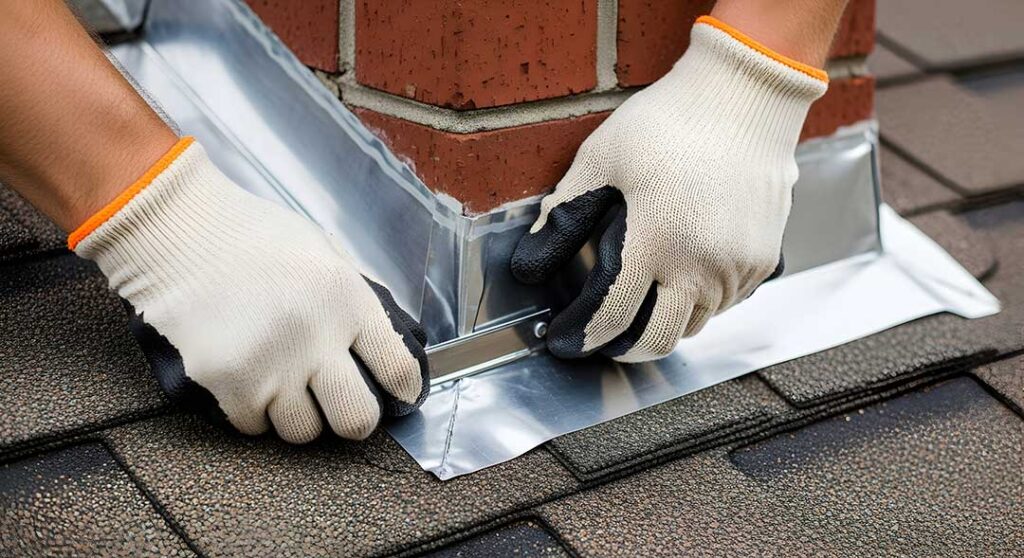
- Consider zinc or copper strips installed near roof peaks—when rainwater washes over them, these metals release ions that slow moss and algae growth farther down the roof
Most shingle roofs in East Amherst don’t require ongoing chemical treatment if these habits are established early. If the problem persists despite these steps, it may point to underlying drainage or ventilation problems.
Are There Common Misconceptions About Moss and Algae on Roofs?
Many residents worry that any small patch will cause immediate damage, but minor moss or algae is often mostly cosmetic. However, it’s a mistake to assume growth will resolve on its own. Ignoring recurring patches year after year can cause cumulative harm, making timely action crucial.
A common error is using power washers or harsh wire brushes under the belief they’ll speed removal. In reality, this can erode or crack asphalt shingles, reducing roof lifespan and potentially affecting insurance coverage. Also, chlorine bleach—sometimes recommended online—can stain siding and kill plants if not used with care.
When Is It Necessary to Seek Outside Help?
Most moss or algae growths can be managed safely without outside intervention, provided homeowners use caution. However, if the roof is steep, high, or slippery, or if significant underlying damage (such as signs of rot beneath shingles or persistent leaks) is discovered during cleaning, professional assistance may be the safest course.
Local building codes and insurance companies may also have specific requirements regarding safe roof access and maintenance. It is always wise to review any applicable guidelines before climbing onto a roof.
How Does the Climate in East Amherst Influence Moss and Algae Growth?
The city's mix of snowy winters, rainy springs, and humid summers creates near-ideal conditions for these organisms. Long stretches of damp weather prevent roof surfaces from drying fully, especially in shaded neighborhoods with mature trees. Seasonal leaf drop and pollen in spring and fall add to the organic matter buildup, encouraging new growth each year.
Residents should focus on debris removal after the growing season and following storms. Early fall and late spring are ideal times for inspections, as these are the periods right before and after the most significant weather-related buildup typically occurs.
