
Why Do Roof Inspections Matter for East Amherst Homes?
East Amherst, NY experiences a range of weather through the year, from heavy winter snow to spring rain and occasional windstorms. These climate conditions mean roofs here are routinely exposed to stress. Regular inspections help local residents catch small issues before they grow into major leaks, energy loss, or structural damage. For most area households, understanding the right schedule for inspections can prevent both costly surprises and unnecessary work.
How Often Should Residents Schedule Roof Inspections?
For the typical single-family home in East Amherst, the general guideline is to have a roof inspection every one to two years. This schedule balances the effects of the region’s seasonal weather with the longevity of modern roofing materials. However, the specifics can vary based on a few important factors:
- Age of the roof: Older roofs (15+ years) benefit from annual attention, as materials naturally degrade faster over time.
- After severe weather: Heavy snow loads, ice storms, hail, or high winds can damage shingles and flashing. Schedule a check after any major event, even if nothing looks visibly wrong from the ground.
- Visible signs of trouble: If you notice missing shingles, sagging, moss growth, interior water stains, or changes in attic moisture, don’t wait for your next routine inspection.
What Are the Best Seasons for a Roof Inspection in East Amherst?
Most residents find the most practical times for inspections are spring and fall. Each season has specific advantages:
- Spring: Inspections after winter lets households address problems caused by snow, freeze-thaw cycles, and ice damming, which are common in the area’s cold months.
- Fall: A pre-winter inspection checks for vulnerabilities before heavy snow or ice can worsen any minor issues, protecting homes during the harshest stretch of the year.
While inspections are possible year-round, cold and icy conditions can make access and detailed examination more difficult, especially on older or steep roofs.
Are Some Roof Types or Home Styles at Greater Risk?
East Amherst has a mix of traditional two-story homes, ranches, and homes with steep roof pitches or dormers, all of which experience wear differently:
- Low-pitched or flat roofs may accumulate snow and moisture more easily, requiring closer monitoring for pooling water or ice.
- Homes with complex valleys or multiple rooflines are more prone to debris buildup and leaks where sections meet.
- Older historic homes, common in established neighborhoods, often have unique flashing or materials that need frequent monitoring.
Knowing your roof’s age, material, and design helps tailor the inspection schedule to your own situation rather than relying solely on generic advice.
What Usually Happens During a Roof Inspection in East Amherst?
A thorough inspection—done by a resident with proper safety precautions or a qualified inspector—typically includes:
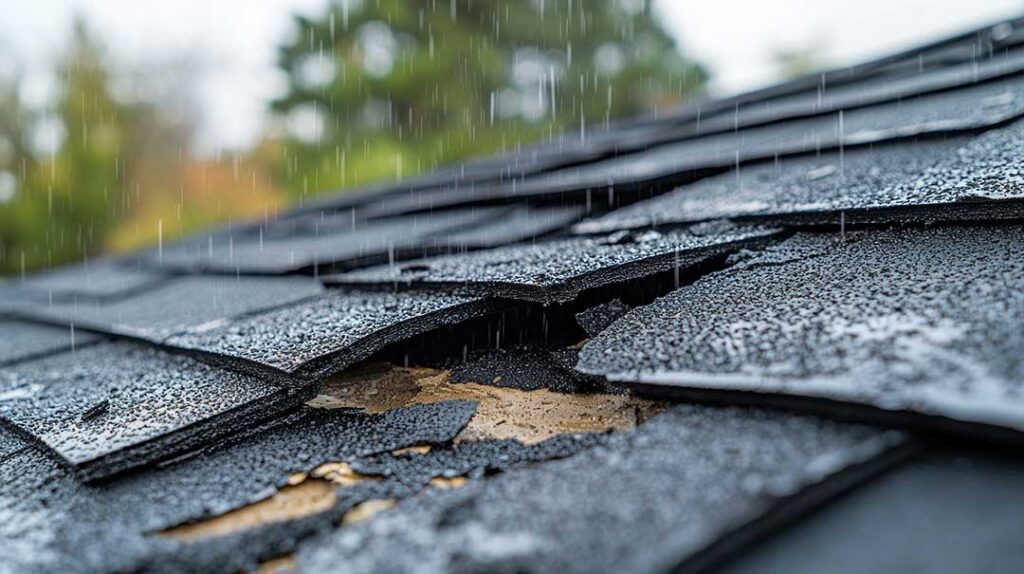
- Checking for missing, damaged, or curling shingles
- Examining flashing around vents, chimneys, and skylights for gaps or rust
- Inspecting attic spaces for signs of water stains, daylight shining through, or insulation concerns
- Evaluating gutters and downspouts for blockages caused by leaves, ice, or animal nests
- Looking for moss, algae, or lichen, especially in shady or north-facing sections
Many issues are not visible from the ground, so close-up observation—when safely possible—or an attic check is essential for a complete review.
What Are Common Mistakes in Timing Roof Inspections?
A frequent misconception among local residents is that modern roofing materials are "maintenance free" until they fail. In practice, small issues often develop long before leaks are obvious indoors. Other missed opportunities include:
- Only checking the roof after a visible leak appears inside
- Relying on ground-level visual checks alone, which can miss hidden vulnerabilities
- Ignoring specific problem signs (such as granule loss or minor interior stains) that can be early warnings

Setting a consistent schedule, not just reacting to emergencies, is the most effective way to maintain a healthy roof amid East Amherst’s seasonal weather changes.
What Are Early Warning Signs Residents Can Spot Between Inspections?
Even without climbing on the roof, area homeowners can walk around their property and look for early warning signs that suggest a full inspection is needed soon:
- Shingle fragments or granules collecting in gutters or on the ground
- Dark patches on the roof surface, indicating moss or rot
- Peeling paint, mold, or water stains near ceilings or attic
- Sudden spikes in heating or cooling bills, sometimes caused by insulation problems due to roof leaks
Spotting even one of these should prompt scheduling a more thorough review to prevent deeper problems.
Are Special Rules or Regulations Relevant for Roof Conditions in East Amherst?
While most routine inspections don’t involve regulatory oversight, certain repairs or full roof replacements may require adherence to local building codes. Residents should be aware that:
- Some homeowners’ associations in the area set their own standards for roof appearance and upkeep.
- Roofing work that involves structural changes, major repairs, or complete replacement may require a permit from local authorities.
- Unattended roof leaks can sometimes lead to issues with home insurance coverage if it’s determined damage resulted from neglect.
Understanding these local considerations ensures homeowners avoid compliance headaches and keeps properties in good standing.
What if Accessing the Roof Is Unsafe?
If a roof is steep, covered in ice, or visibly unstable, it is best to avoid climbing up. In East Amherst, especially during late fall and winter, safety risks with icy or snow-covered shingles are high. In these situations, homeowners can use binoculars from the ground or check from inside the attic for visible daylight or stains.
When there is any doubt about safety—such as suspected structural weakness or during severe weather—waiting for safer conditions or consulting a qualified professional is the responsible approach.
