
Are All Roofs in East Amherst, NY Suitable for Solar Panels?
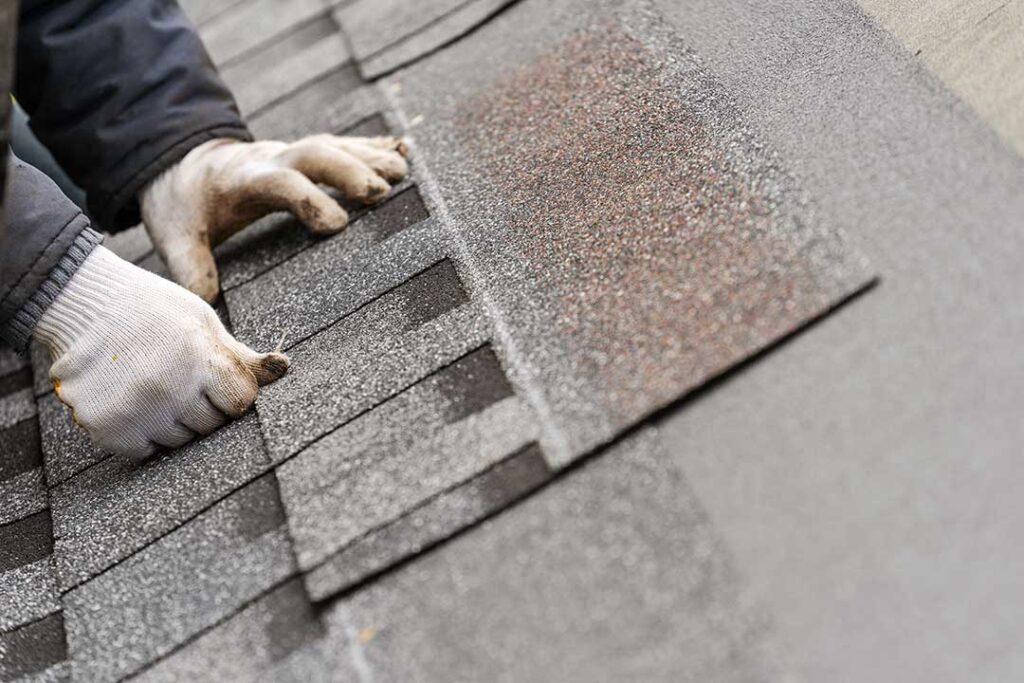
Not every roof in the city is immediately ready for solar panels. The age, material, and pitch of your roof can determine its suitability. Many area homes have asphalt shingle roofs, which generally work well for solar installations, but other materials may pose challenges.
Older roofs—especially those over 20 years or with signs of wear—may need repairs or replacement before supporting new equipment. Local weather puts considerable stress on roofing materials; East Amherst experiences cold winters, ice dams, and seasonal winds, so structural integrity is essential.
Factors that May Affect Solar Readiness:
- Roof age and life expectancy: Solar arrays last 25+ years; roofs with less life may need work first
- Orientation and shade: Roofs facing south with minimal shade are ideal for solar efficiency
- Roof pitch: Steeper angles shed snow better but complicate installation
How Does East Amherst’s Climate Affect Solar Panel Performance?
Solar panels in East Amherst work year-round, but their output varies with the season. Winter snow, cloudy days, and less sunlight during winter months do reduce production, but cold temperatures can improve panel efficiency when the sun is out.
Seasonal Considerations:
- Snowfall: Panels often shed snow naturally thanks to their tilt, but heavy accumulation after storms can temporarily block generation
- Ice: Proper installation minimizes ice buildup risk around mounts
- Summer: Longer daylight hours maximize system output
Even with these fluctuations, the area still benefits from enough sunny days to make solar viable over the system’s lifespan.
Will Solar Panels Damage My Roof?
Properly installed solar panels should not damage a well-maintained roof. Installers use mounting systems designed to prevent leaks and distribute weight safely.
Common concerns often include:
- Roof penetrations: Carefully sealed and flashed to keep moisture out
- Weight: Modern systems are lightweight and roofs in East Amherst are generally built to handle significant snow loads
- Water drainage: Panel positioning should not redirect water in ways that cause pooling
If the underlying roof is already damaged or in poor condition, however, solar installation could exacerbate existing issues. Checking for loose shingles, weak decking, or signs of rot beforehand helps protect your home.
Are There Local Building Codes or Permits to Consider?
East Amherst requires permits for rooftop solar installations, primarily for safety and code compliance. Local inspectors verify that both electrical connections and roof attachments meet safety standards.
Because codes can change, it’s best for residents to consult city or town government websites for the latest forms, fees, and inspection requirements. Many neighborhoods also have homeowners’ associations that may restrict panel visibility or placement, so reviewing HOA guidelines is a smart early step.
How Does Solar Panel Installation Affect Roof Maintenance or Repairs?
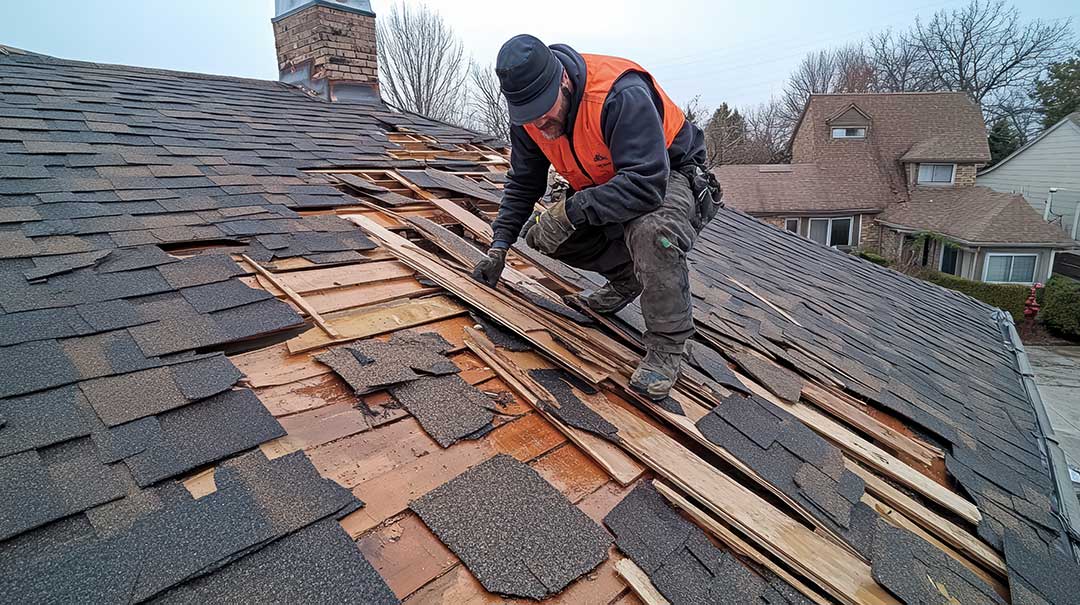
After solar panels are installed, routine roof maintenance—like shingle repairs or replacing flashing—can be more complicated. Panels must usually be temporarily removed to re-roof or make major repairs, so area homeowners considering solar should factor in their roof’s age and condition.
Reducing Disruption:
- Pairing roof replacement and solar installation reduces future labor costs and inconvenience
- Scheduling maintenance during milder seasons helps avoid delays due to weather
- Keeping records of your roof’s age and warranty can simplify any warranty claims
What Are Common Misconceptions About Solar Panels on Roofs?
Many residents in the city wonder if solar panels will cause roof leaks or require major structural changes. In reality, leaks are rare if installations are correctly sealed and done with attention to local roof types. Concerns about snow buildup causing roof collapse are also generally unfounded, since most local roofs are built to withstand snow and the added weight of solar systems is minimal.
Another misconception: Solar panels require a perfectly south-facing roof. While south is optimal, east- and west-facing roof planes can also be effective, though with somewhat lower efficiency.
What Steps Should I Take Before Deciding?
Making an informed decision involves reviewing your roof’s age, researching local permitting requirements, and understanding how solar will interact with future roof needs. A roof inspection—either by the homeowner or a qualified individual—can help spot potential issues early.
Practical steps for local residents:
- Examine your roof for leaks, worn shingles, or drainage issues
- Determine your roof’s orientation and shade from nearby trees or buildings
- Identify your roof type (shingle, tile, metal, etc.) and check its remaining service life
- Review East Amherst’s municipal permitting requirements and explore neighborhood rules if you belong to an association
By carefully considering these factors, area households can make the most of local solar opportunities without risking their property.
