
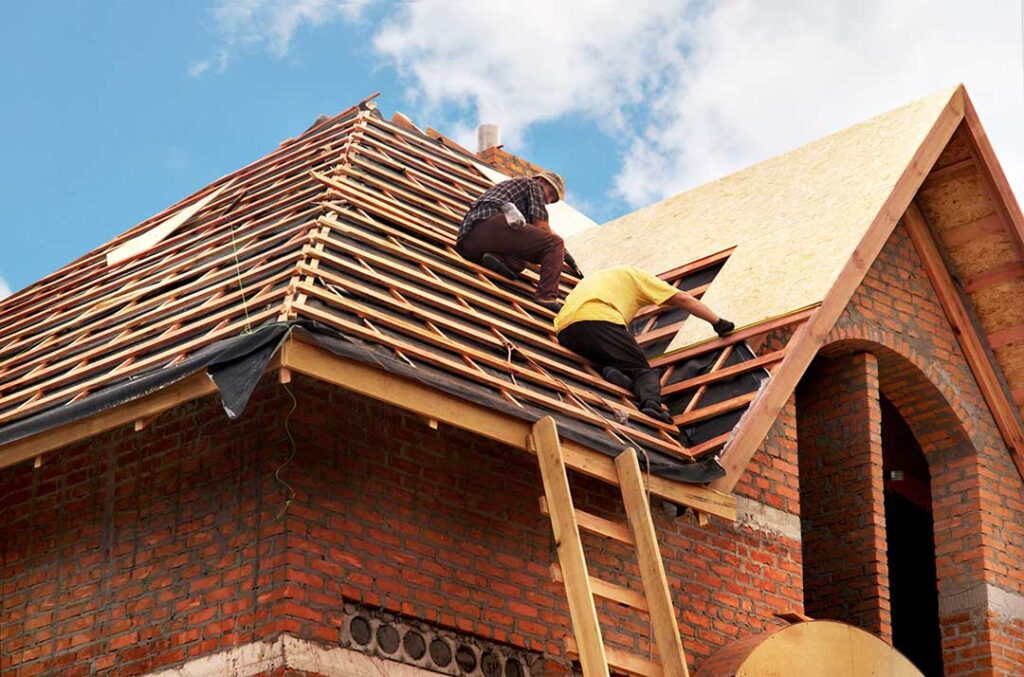
What is Roof Decking and Why Does It Matter in East Amherst, NY?
Roof decking forms the solid base beneath shingles or other roof coverings. In East Amherst, NY, where snowy winters and rain-heavy springs are common, roof decking’s health is crucial to keep homes safe and dry. Damage or deterioration here can go unnoticed until water finds its way inside, making early detection especially valuable for residents.
Decking is typically made of plywood or oriented strand board (OSB). It provides structure for the roofing material and plays a key role in supporting weight from snow or ice build-up. If compromised, the risk of leaks, insulation problems, and even structural sagging increases over time.
How Can You Tell If Roof Decking Needs Attention?
The most reliable signs that roof decking needs care are usually visible from inside the attic or on the roof’s surface—not from street level. Homeowners in East Amherst checking for these symptoms can often catch problems before costly repairs are needed.
Key signs include:
- Sagging ceilings or visible dips in the roofline
- Persistent or unexplained roof leaks, especially after rain or snowmelt
- Spots where shingles appear sunken, uneven, or soft to the touch
- Light seeping through attic boards during the day
- Musty odors, mold, or unexplained dampness in attic spaces
If any of these symptoms are found, it’s worth investigating further—most roof leaks in this community’s older homes start with subtle warning signs in the decking well before water is visible inside living spaces.
Are Dark Spots on Ceilings or Attic Stains Related to Decking Problems?
Yes—dark or discolored spots on interior ceilings, or visible stains in the attic, can often point to roof decking issues. Water that slips past worn or broken shingles can soak the wooden decking underneath before dripping further into insulation or onto ceilings. Over time, this constant moisture breaks down decking, causing stains, mold growth, or even the warping of boards.
Homeowners may notice:
- Brown or yellow rings on bedroom or hallway ceilings after storms
- Streaks or spots on attic insulation or exposed boarding
- New mildew or musty smells that linger after the roof has dried externally
Promptly addressing these signals can prevent significant wood rot or more widespread fungal growth from taking hold in the decking.
Can You See Decking Damage From the Outside?
While decking sits beneath roofing, certain outdoor clues suggest it’s not in good shape. In East Amherst, shifting weather can make some of these changes more noticeable:
- Unusually wavy or sagging lines in the roof, especially in the middle of a slope
- Sections where shingles do not lay flat or have oddly shaped bulges
- Areas where the roof surface feels soft or spongy underfoot (not safe for walking on)
- Edge details where fascia appears separated or gutters seem pulled away from the eaves
These visual cues mean the roofing material may no longer be properly supported, putting the home at risk of further leaks or snow load issues.
Why Does Decking Fail More Often in Certain Homes?
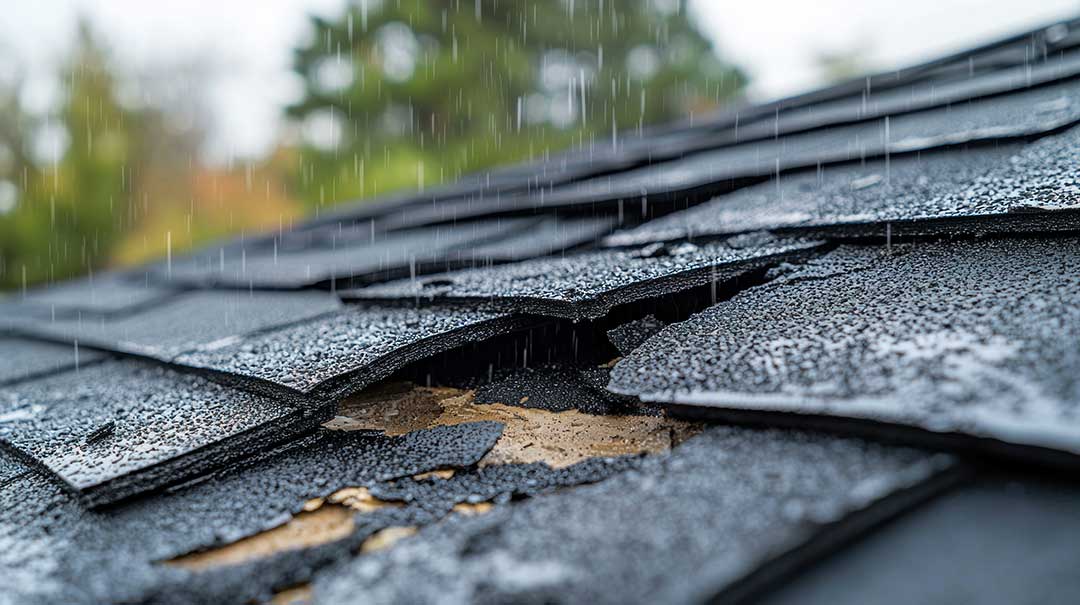
The age and roof design common in East Amherst means some houses are more likely to develop decking problems. Homes with poor attic ventilation are especially susceptible—trapped moisture from daily living, bathrooms, or laundry can condensate on the underside of the decking. Over years, this wetting and drying leads to softening or decay.
Additional risk factors include:
- Older homes with original roofing and historic materials
- Roofs that collect and hold snow in valleys or along shaded north sides
- Areas under leaking flashing (edges, chimneys, skylights) where water seeps directly to decking
- Homes with ice damming issues during freeze-thaw cycles
Routine checks in the attic after major storms, thaws, or ice damming events will catch many problems early.
What Happens If Damaged Decking Isn’t Addressed?
Letting compromised decking go unaddressed can lead to deeper issues for local residents, not just cosmetic ceiling spots. Left unchecked, moisture and rot can spread, leading to:
- Mold growth that affects indoor air quality in attic and upstairs rooms
- Wood deterioration, making the structural base for the roof unsafe
- Insulation damage, lowering energy efficiency and increasing heating costs
- Higher risk of roof collapse, especially after heavy snow accumulation
These problems often worsen through multiple freeze/thaw cycles common to winter and spring in the area.
What Should Residents Do If Signs of Decking Problems Appear?
If symptoms seem limited to small stains or visible attic spots, local residents can sometimes improve conditions by boosting attic ventilation and monitoring problem areas. Clearing blocked soffit vents, patching minor leaks, and reducing indoor humidity may slow progression.
However, if roof sagging, widespread leaks, or spongy surfaces are discovered, the decking’s integrity could be compromised. Inspecting from a safe location—never climbing onto a damaged or icy roof—can help assess whether immediate action is needed. In cases where roof structure appears unsafe or extensive mold is present, it may be necessary to consult with a qualified building inspector or other non-commercial local authority to ensure safety and proper repairs.
