

Replacing a roof is a major household expense, and many residents in East Amherst, NY, need to spread the cost over time rather than pay the full amount at once. The most suitable financing choice depends on the roof’s urgency, available home equity, credit profile, monthly budget, and comfort with secured debt.
What should be decided before comparing financing?
Start by determining whether the roof needs immediate replacement or whether a short delay is reasonable. Active leaks, sagging areas, exposed decking, missing shingles, or storm damage can justify prompt action. Waiting through repeated freeze-thaw cycles, heavy snow, and spring rainfall may allow a small defect to become a larger structural problem.
Before reviewing loan options, gather:
- A written description of the proposed work
- The expected total cost, including removal, disposal, ventilation, flashing, and possible deck repairs
- The amount available in savings
- A monthly payment limit that fits comfortably within the household budget
- The remaining mortgage balance and approximate home value
- Current debts and credit obligations
Roofing costs can change if damaged sheathing, inadequate ventilation, or hidden moisture is discovered after the old roofing is removed. A financing plan should leave room for reasonable surprises rather than borrowing only the amount needed for the most basic installation.
Is paying with savings a good option?
Using savings avoids interest charges, loan fees, and the risk of adding another monthly payment. It can be practical when the household can pay for the roof while still maintaining an emergency reserve for heating repairs, plumbing problems, insurance deductibles, and other home expenses.
Using every available dollar, however, can create a different risk. Homes in this region face seasonal maintenance demands, including snow-related repairs and weather-related exterior wear. A cash payment may be less financially comfortable if it leaves no reserve for an unexpected problem.
Some households use a combination of savings and financing. For example, paying part of the cost upfront can reduce the loan balance while preserving cash for emergencies.
How does a home equity loan work?
A home equity loan provides a lump sum secured by the equity in the home. It commonly has a fixed interest rate and predictable monthly payments, which can make budgeting easier for a roof replacement with a known price.
The main concern is that the home serves as collateral. If payments cannot be made, the consequences can be more serious than with unsecured borrowing. A home equity loan is also generally a second mortgage when an existing mortgage remains in place. ([consumerfinance.gov](https://www.consumerfinance.gov/ask-cfpb/what-is-the-difference-between-a-home-equity-loan-and-a-home-equity-line-of-credit-heloc-en-247/?utm_source=openai))
Before accepting one, review:
- The annual percentage rate rather than only the advertised interest rate
- Origination, appraisal, recording, or other closing fees
- The full repayment period
- Whether the interest rate is fixed
- Whether early repayment creates a penalty
- How the new payment fits alongside the existing mortgage
A longer term may lower the monthly payment but increase the total interest paid.
What is a HELOC, and is it different from a home equity loan?
A home equity line of credit, or HELOC, works more like a revolving credit line. The borrower can draw funds up to an approved limit, repay part of the balance, and potentially borrow again during the draw period. This flexibility may be useful if the final roofing cost is uncertain or if related repairs are discovered.
HELOCs commonly have variable interest rates, so the monthly payment can change. Payments may also increase when the draw period ends and the account enters repayment. The lender may restrict further borrowing if the home’s value falls or the borrower’s financial situation changes. ([consumerfinance.gov](https://www.consumerfinance.gov/ask-cfpb/what-is-a-home-equity-line-of-credit-heloc-en-107/?utm_source=openai))
A HELOC should not be judged only by its initial payment. Ask for examples showing what payments could look like if interest rates rise or if the balance becomes fully drawn. Because the home secures the debt, missed payments can put the property at risk.
Could a personal loan be used for roofing?
An unsecured personal loan does not use the home as collateral. Approval and pricing usually depend on credit history, income, existing debt, and the lender’s terms. This may make a personal loan appealing to homeowners who have limited equity or who do not want a second lien on the property.
The tradeoff is that unsecured loans may carry higher interest rates than loans backed by home equity. Fees, repayment periods, and payment amounts vary widely. Comparing the total amount repaid—not just the monthly payment—is essential.
A shorter repayment period may cost less in interest but produce a higher monthly obligation. A longer term may be easier to manage each month but can make the roof substantially more expensive over time.
What about financing offered through a roofing project?
Some roofing arrangements allow payment through a third-party financing company or a loan connected with the project. These plans may offer promotional rates, deferred interest, or low initial payments, but the details can be easy to misunderstand.
Read the agreement carefully for:
- The date a promotional period ends
- Whether interest is charged retroactively
- The regular rate after the promotion
- Minimum monthly payments
- Late-payment consequences
- Administrative or account fees
- Whether the financing is a loan, a revolving account, or another credit product
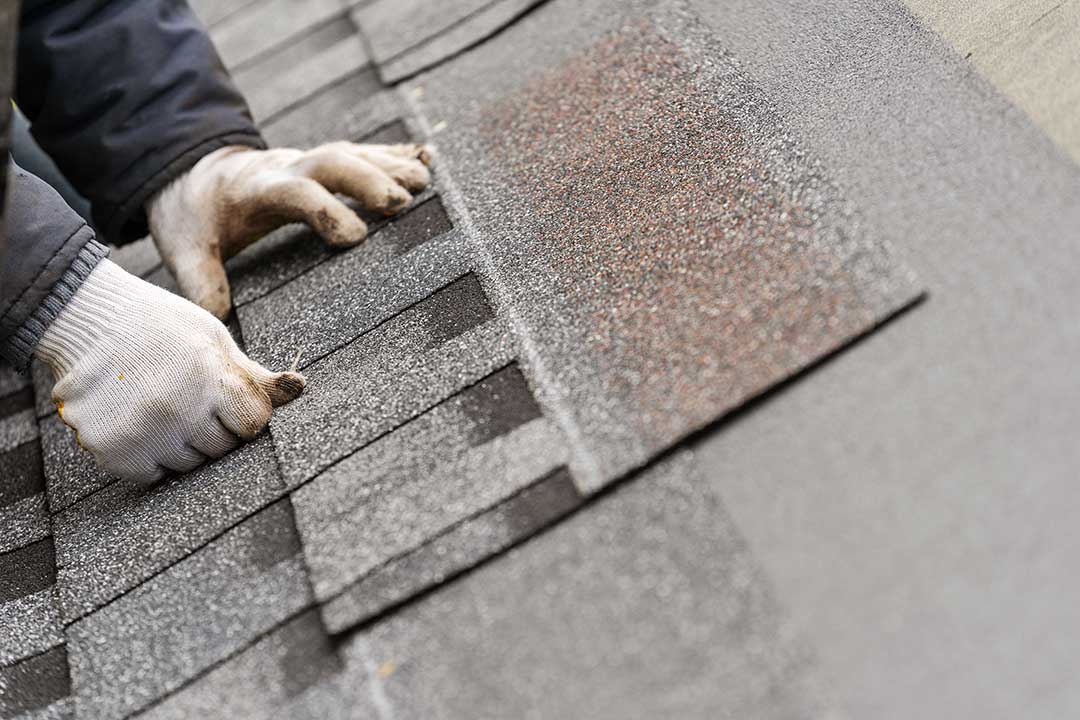
A low introductory payment does not necessarily mean the project is inexpensive. The relevant comparison is the total cost if the balance remains unpaid through the entire repayment period.
Can homeowners insurance pay for a new roof?
Insurance generally does not pay simply because a roof is old or worn out. Coverage depends on the policy, the cause of damage, exclusions, deductibles, and the insurer’s inspection. Sudden damage from a covered event may be treated differently from deterioration caused by age, poor maintenance, or repeated moisture exposure.
Before assuming insurance will cover the replacement, review the policy’s roof provisions and document the condition of the roof. Photographs, maintenance records, dates of leaks, and storm-related observations may help establish what happened. Coverage decisions are policy-specific and should not be treated as guaranteed funding.
Insurance proceeds may also be paid in stages or reduced by depreciation, depending on the policy. That can affect how much cash is available at the start of the project.
Are government-backed repair loans available?
HUD’s Title I Property Improvement Loan program allows participating private lenders to offer loans for certain home repairs and improvements. The program is not a grant, and FHA insurance does not mean the interest rate is subsidized. Eligibility, loan terms, and lender participation must be confirmed directly with an approved lender. ([hud.gov](https://www.hud.gov/hud-partners/single-family-title?utm_source=openai))
These programs may be less familiar than standard home equity products, so homeowners should compare the total cost, security requirements, fees, and repayment terms with other available choices. A government-backed label does not automatically make a loan cheaper.
Which option may fit different situations?
A general comparison can help:
- Savings: No interest or lender fees, but it reduces liquid reserves.
- Home equity loan: Predictable lump-sum financing, but the home secures the debt.
- HELOC: Flexible borrowing, but rates and future payments may change.
- Personal loan: No home lien, but the interest rate may be higher.
- Project-related financing: Convenient in some cases, but promotional terms require careful review.
- Insurance claim: Potentially helpful for covered sudden damage, but not normally intended for ordinary aging.
For any option, compare the annual percentage rate, total repayment amount, fees, payment schedule, and consequences of late payment. The least expensive monthly payment is not always the least expensive financing choice.
What should East Amherst households watch for in the contract?
A roofing contract and financing agreement are separate documents, even when presented together. Confirm that the financing amount matches the authorized work and that any allowance for unexpected repairs is clearly explained.
The agreement should identify the payment schedule, change-order process, warranty terms, cancellation rights where applicable, and responsibility for permits or required inspections. Financing should not begin before the borrower understands when the first payment is due and whether interest begins immediately.
For a roof replacement near the start of winter, timing also matters. A delayed project can increase the chance of temporary repairs, interior damage, or added costs. The financing decision should account for both the loan terms and the practical cost of postponing necessary work.
