

Can Roofing Materials Be Recycled in East Amherst, NY?
Most common roofing materials, such as asphalt shingles, metal panels, wood shakes, and clay or concrete tiles, can be recycled. However, the process and available options depend on the material type and local access to recycling facilities equipped to handle these items.
In East Amherst, residents typically replace roofs every couple of decades due to weathering from snow, ice, and seasonal changes. Rather than sending old shingles and panels to a landfill, recycling provides a more environmentally responsible solution—if you know which materials qualify and where to take them.
What Roofing Materials Are Commonly Recycled?
Asphalt shingles, metal roofing, and certain tiles are the main types recycled by area households after roof replacements. Here’s how each is typically handled:
- Asphalt shingles: Popular in the area due to their affordability and weather resistance, asphalt shingles contain oil-based materials that can be reclaimed for paving roads.
- Metal roofing: Aluminum and steel panels are highly recyclable and often accepted by scrap yards.
- Clay and concrete tiles: While heavier and less common, these can sometimes be crushed for use in road beds or other construction materials.
- Wood shakes: In some cases, untreated wood shakes may be composted or chipped for landscaping, but chemical treatments often make this less feasible.
Fiberglass, rubber, and specialty membranes used for flat roofs are harder to recycle but not impossible; options are more limited and may require specific handling.
Where Can Local Residents Take Old Roofing Materials?
Roofing material recycling is not available at every curbside or community drop-off center. In East Amherst and much of western New York, options depend on the material:
- Transfer stations and recycling centers: Some municipal or county-operated centers accept sorted roofing materials from residents. It’s important to call ahead, as acceptance policies change and fees may apply for construction debris.
- Specialty recycling events: Local governments or regional environmental agencies occasionally sponsor collection events for construction and demolition wastes.
- Metal scrap yards: Metal roofing can typically be taken to any local scrap yard; it’s highly valued and widely accepted.
- Asphalt shingle recycling: Dedicated asphalt recycling facilities exist in parts of New York State but are less common than other recycling centers. Area residents often ask whether local paving contractors accept old shingles for recycling—some do, but this varies by year and project.
Hazardous materials (such as asbestos, sometimes found in roofs from homes built before the late 1970s) always require special handling per state and federal regulations.
How Should Roofing Materials Be Prepared for Recycling?
Before hauling old roofing materials to a center, sort, clean, and prepare them. Here’s a practical breakdown:
- Remove contaminants: Fasteners, nails, flashing, underlayment, and tar paper should be separated when possible.
- Keep types sorted: Do not mix asphalt shingles with metal or clay tiles, as this complicates recycling.
- Bag loose debris: Smaller fragments and dust can be contained for easier handling.
- Inspect for hazardous waste: If a roof may contain asbestos (sometimes in old shingles or underlayment), do not disturb the material. State law may require professional removal.
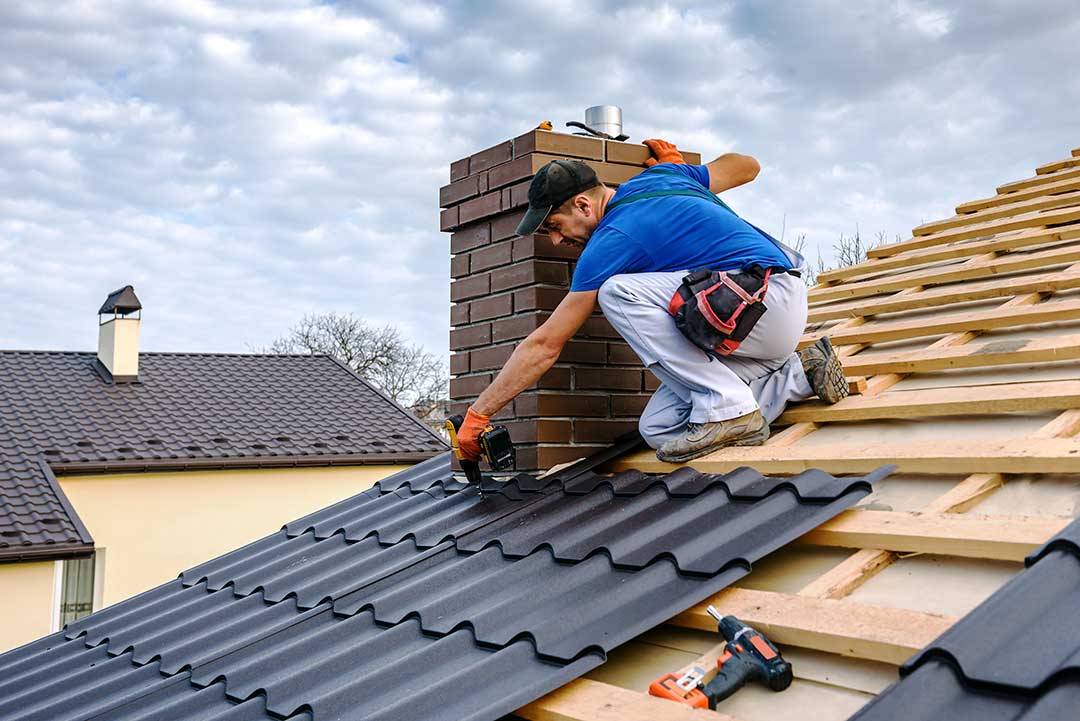
Proper preparation reduces landfill risk and streamlines recycling at drop-off sites. Some facilities may reject loads that are unsorted or contain prohibited materials.
What Are the Local and Environmental Benefits?
Recycling roofing materials reduces long-term waste in local landfills and lowers the need for new raw materials for pavement, new metal goods, or fill. East Amherst households are already familiar with seasonal debris pickups and strict garbage limits—recycling bulky items like shingles or tiles helps keep the community cleaner and supports sustainability.
Winter in the region means roofing replacements often happen in warmer months, so the volume at recycling centers can spike in spring and summer. Being mindful about recycling at the right locations prevents illegal dumping or overloading waste bins.
What Are Common Misconceptions About Roofing Material Recycling?
A frequent misconception in the community is that all construction waste goes to landfill. In reality, with some additional effort, most metal and many asphalt shingles can find new life in roadways or new products. Another misunderstanding is that curbside recycling accepts old shingles—this is rarely the case, as most household recycling programs cannot process bulky construction waste.
Some residents believe recycling is always free. While some metal can generate a small rebate, most shingle and tile recycling includes modest drop-off fees to cover sorting and processing.
How Can Residents Find Reliable Information on Local Options?
City and county government websites post updates on construction debris disposal and recycling guidelines. Local transfer stations and environmental agencies are reliable sources for current details about accepted materials and locations. Residents can also check state-level environmental resources for updates on new recycling initiatives that occasionally include construction waste.
Seasonal construction and demolition debris programs may pop up around East Amherst, especially in spring and fall. Keeping an eye on community newsletters, official city bulletins, or town websites can help area households recycle efficiently and legally.
