

Why Should You Protect Your Roof During Renovation Projects?
Protecting your roof is essential during home renovations to prevent damage and avoid expensive repairs. Renovations often involve heavy equipment, increased foot traffic, and exposure to dust or debris, all of which can compromise the condition of your roofing materials and the underlying structure.
Even projects focused on interiors or the exterior walls can unintentionally involve the roof, especially if workers need to move equipment, run ladders, or access the attic. In East Amherst, seasonal weather considerations—such as heavy rain, snow, and wind—amplify the risks if a roof is left vulnerable or partially exposed.
What Are the Risks Roofs Face During Home Renovations?
Renovation activities can pose several common threats to roofs, including:
- Impact damage from dropped tools, equipment, or building materials
- Punctures or tears in shingles or underlayment from foot traffic or ladders
- Clogged gutters caused by debris such as nails, sawdust, or packaging
- Water intrusion if roofing is disturbed or temporary coverings fail, particularly during frequent rain in the area
- Damaged attic ventilation or soffit vents from accidental blockage or covering
These risks can result in leaks, mold, insulation issues, or structural rot—problems that often remain hidden until after the renovation is complete.
How Can Local Weather Conditions Affect Roof Protection Needs?
Roof vulnerability increases in East Amherst’s climate due to seasonal variability. Spring and fall often bring strong winds and sudden rain; winter is marked by snow and freeze-thaw cycles. During renovations, roofs may have exposed areas, temporary coverings, or increased access points, heightening the chance for water or ice-related issues.
Proper planning around weather forecasts is practical. For example:
- Schedule exterior work when multi-day rainfall or snow isn’t expected.
- Use tarps or shrink wrap rated for wind and water resistance suited for the area’s seasonal gusts.
- Avoid leaving materials or debris that can be blown around, clogging drains or causing impacts during sudden storms.
What Protective Steps Should You Take Before Renovation Work Begins?
The most effective protection starts ahead of any demolition or construction. Here are useful steps for area households:
- Photograph your roof and attic interior to document pre-existing conditions.
- Clear the roof, gutters, and downspouts of leaves and debris to prevent blockages.
- Discuss access routes with contractors—whenever possible, ask them to avoid walking directly on the roof.
- Install temporary edge guards or walk pads if rooftop access cannot be avoided.
- Use plywood sheets to distribute weight and avoid denting or cracking shingles.
Proactive communication with everyone involved in the renovation helps clarify expectations and responsibilities for roof care during the project.
How Can You Minimize Foot Traffic and Heavy Loads on the Roof?
Walking on the roof, especially asphalt shingles or older tiles common in East Amherst homes, easily causes granule loss or breakage. Foot traffic should be minimized by:
- Planning material hoisting from ground level using scaffolding or lifts, not direct rooftop delivery.
- Designating access points in the most structurally sound roof areas, typically over supporting walls.
- Using ladders placed on stable ground—never on gutters or roof edges.
- Instructing workers and helpers to strictly use designated paths if access is unavoidable.
If attic work is required, interior access through ceilings or attic hatches should be preferred over up-and-over approaches that require roof access.
Are Temporary Coverings Enough to Prevent Water Infiltration?
Temporary roof tarps or coverings are useful but not foolproof, especially during a typical rainy spring or early snow in the area. For best protection:
- Use heavy-duty, waterproof tarps secured with wood strips or battens (not just nails or duct tape).
- Overlap covering edges and direct water flow away from seams and valleys.
- Regularly inspect covers after high winds, strong rain, or overnight, as tarps can shift or tear unexpectedly.
- Ensure that attic ventilation isn’t accidentally blocked by tarps or secondary coverings.
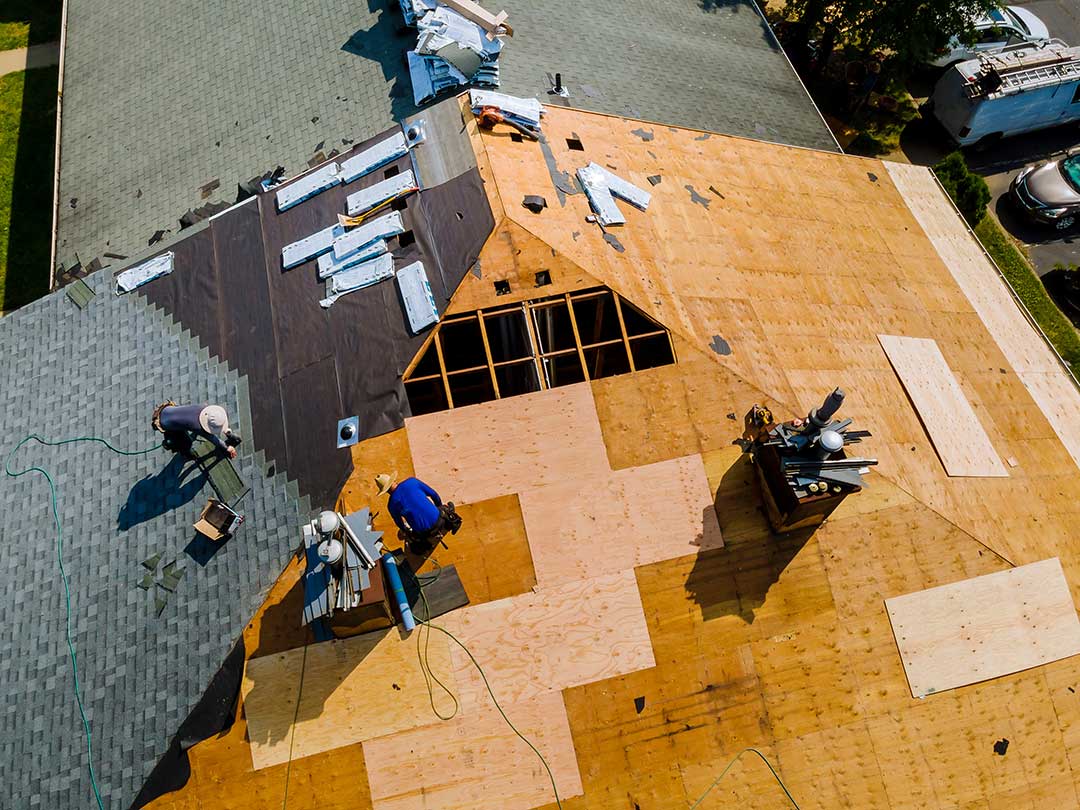
For open roof repairs or major additions, shrink-wrapping with heat-sealed seams provides sturdier, longer-lasting protection but may require more setup.
What Should You Do About Debris and Gutter Protection?
Construction debris can easily clog or damage gutters, leading to pooling water and hidden leaks. Homeowners should:
- Use gutter guards or temporary mesh screens during work.
- Schedule regular clean-outs if projects last more than a few days.
- Instruct workers to never sweep or hose debris directly into drains or gutters.
- Examine downspouts for blockages or splits after periods of heavy use.
If icicles or ice dams form during cold weather work, gently remove them and check for underlying leaks, as water forced under shingles can accelerate long-term roof damage.
How Can You Monitor for Hidden Damage During and After Renovations?
Some roof damage isn’t obvious until long after the renovations are finished. Early detection is possible with a few habits:
- Conduct attic checks during sustained rain, looking for drips, stains, or damp insulation.
- Monitor ceilings and exterior walls for watermarks or unexpected cold drafts.
- Check the roof from a distance after storms for misaligned shingles or exposed underlayment.
- Inspect gutters for granules or shingle fragments that indicate surface wear.
Taking detailed before-and-after photos makes it easier to spot subtle changes and document any problems for future repair needs.
Are There Local Codes or Regulations Affecting Roof Work During Renovations?
In the community, certain building codes may influence how renovations interact with existing roofs, particularly for structural alterations, dormer additions, or solar installations. While most routine interior renovations do not trigger roof-related permits, any work modifying load-bearing walls, rooflines, or adding penetrations (such as skylights or vents) will typically require code compliance and inspections.
Before starting, it is wise to review local permit requirements or consult the local building department regarding section-specific rules:
- Minimum standards for weatherproofing during open construction
- Acceptable materials and fastening methods for temporary covers
- Restrictions on roofwalks or equipment loading for safety
Following required procedures ensures renovations do not cause inadvertent code violations or insurance issues.
Can You Protect Your Roof Without Professional Help?
Most protective steps are manageable for area residents with basic tools and awareness. Temporary coverings, debris precautions, and frequent inspections can usually be performed safely when working from ground level or sturdy ladders. However, if a project requires working directly on a steep roof, repairing storm damage, or removing significant snow, safety considerations may require outside help—especially in adverse weather or for homes with complex, multi-level rooflines.
By combining preparation, awareness of local conditions, and routine vigilance, homeowners in East Amherst can shield their roofs from avoidable damage and enjoy a smooth, worry-free renovation process.
