

What Are the Most Frequent Roof Repair Mistakes in East Amherst, NY?
Many area homeowners handle small roof repairs themselves or with general handyperson help. However, a few recurring mistakes can turn a quick fix into a bigger problem—especially with the four-season weather cycles and mixed housing styles in East Amherst, NY. Frequent missteps include using the wrong materials, ignoring underlying damage, improper shingle installation, and overlooking safety. Each error risks leaks, interior water damage, or wasted repair costs.
Why Do Material Choice and Compatibility Matter?
Using materials that match the original roof system is critical. Some homeowners grab whatever is available—such as nails that are too short, mismatched shingles, or incompatible sealants—but this can cause quick failure or void warranties. For example, architectural and three-tab shingles found on local roofs require different installation techniques, and repair patches must match the climate rating for freeze-thaw durability. Mixing products can lead to premature cracking or leaks, especially in winter.
Common Local Materials Errors
- Patching asphalt shingles with improper sealant
- Using nails not rated for exterior use (leading to rust)
- Covering slate or tile roofs with asphalt-based compounds, which can damage historic or specialty materials
Checking original roof specifications or matching existing materials from a home improvement store helps avoid these issues.
How Can Overlooking Hidden Damage Cause Repeat Problems?
Repairing only the visible part of a damaged roof may miss deeper issues. A missing shingle, for example, could be a symptom of underlying water intrusion, rotted decking, or worn-out underlayment. In the humid summer and snowy winter of East Amherst, moisture that seeps under shingles often goes unnoticed until it causes ceiling stains or mold.
Inspecting the roof cavity or attic from inside the home after any incident (wind, ice dam, heavy rain) can reveal unseen damage. If only surface materials are fixed, repairs may quickly fail or lead to more costly remediation later on.
How Important Is Weather Timing for Roof Repairs?
Trying to patch a roof during the wrong weather conditions can lead to wasted effort or incomplete sealing. Cold snaps and sudden spring storms are common in East Amherst, which means sealants or adhesives may not cure properly. Roofing materials often require minimum temperatures (usually over 40°F) for correct adhesion. Trying to perform repairs on icy or wet surfaces is also unsafe and can cause sliding or incomplete repairs.
Plan to repair roofs only during dry spells with mild temperatures. If an emergency forces winter work, temporary coverings like synthetic tarps can help until proper conditions return.
What Installation Issues Create the Most Trouble Locally?
The most common do-it-yourself mistakes involve shingle alignment, nailing mistakes, and flashing errors. Each is more likely in climates with frequent wind, rain, and freeze-thaw cycles as found in the area.
Typical Installation Slip-Ups
- Misaligned or improperly overlapped shingles, allowing water to seep between layers
- Nailing shingles too high or with too few fasteners (~4 nails per shingle is standard for high-wind zones)
- Incorrect placement or re-use of flashing, especially around chimneys, skylights, and vents (critical with melting snow and ice dams)
Even minor errors can allow water in, leading to insulation or drywall damage over time.
Are There Overlooked Safety Hazards in Roof Repairs?
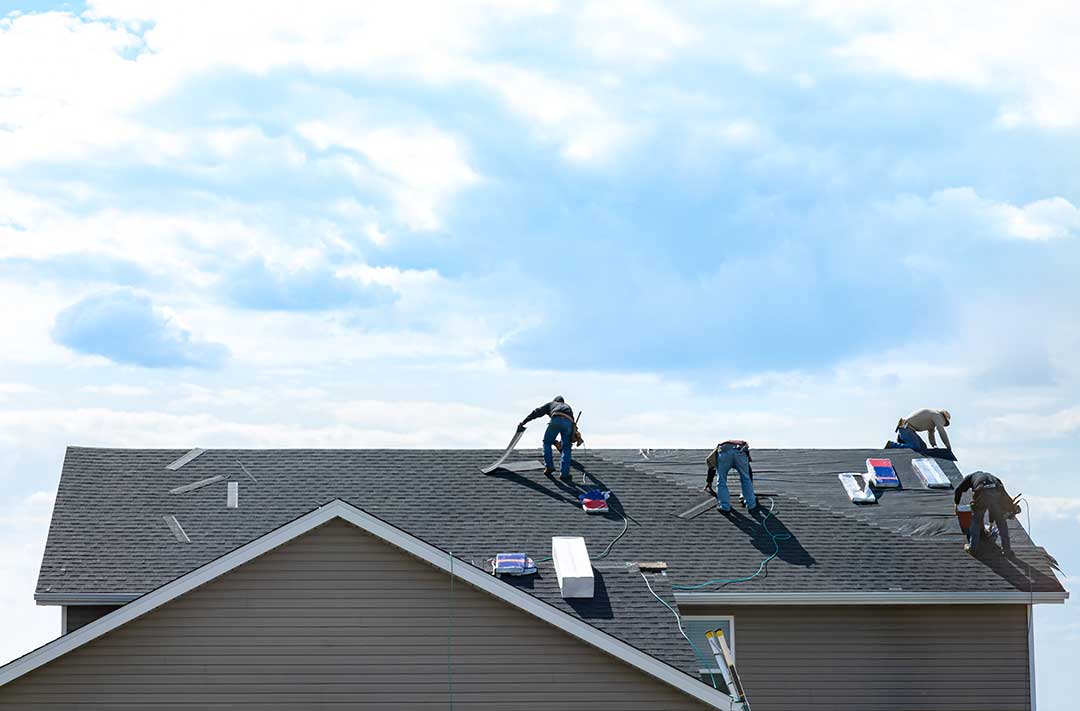
Falls from single-story ranch homes and multi-level colonials in East Amherst both occur more often than most residents assume. Using ladders on uneven or icy surfaces and insufficient footwear or harnessing are the most common risks. Minor neglect—such as not securing a ladder or working in wind—can result in serious injury.
Safety precautions to consider include:
- Stable ladders on solid, dry surfaces
- Non-slip shoes or boots
- Never working alone—having a spotter can prevent or respond to accidents
- Avoiding roof work in high wind, heavy rain, or after snow/ice storms
For multi-level homes or steep pitches, rethinking do-it-yourself repairs is worthwhile because of the added risk.
What About Ventilation and Insulation Mistakes?
Another common misstep is closing off attic vents or covering soffits with insulation during repairs. Proper ventilation allows East Amherst roofs to shed heat and moisture, preventing mold buildup and shingle warping. Blocking these areas, whether by accident or to “seal out drafts,” can reduce roof life and cause humidity damage, especially in winter.
When working near vents or insulation, keep these areas open and clear to maintain air flow.
How Do Permits and Local Codes Affect Roof Repairs?
In many neighborhoods and developments, roof changes—even minor repairs—may be regulated. Some homeowners believe small patch jobs don’t require attention to code, but missing key requirements (like ice and water shield at roof edges, or minimum shingle ratings) can complicate home insurance or resale.
Check with the city for any requirements around visible alterations or material changes, especially on historic or multi-unit dwellings. Skipping code compliance can have costly consequences if issues arise in a future inspection.
—
