
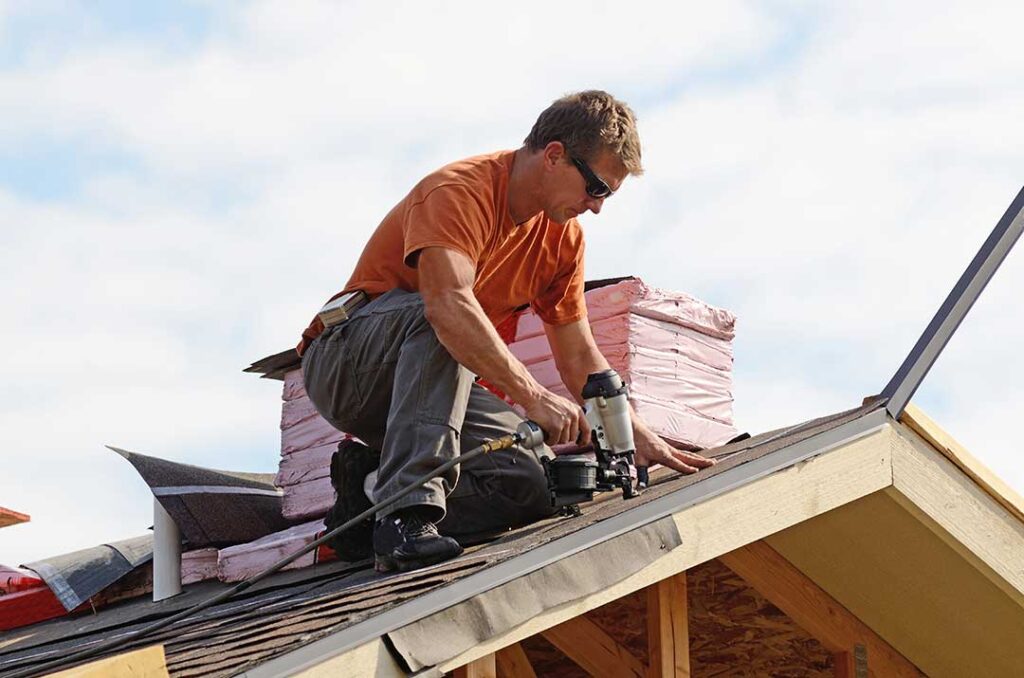
What Happens to Roofs During Severe Winds?
Severe winds can lift, break, or strip roofing materials, exposing homes to leaks and costly repairs. In East Amherst, wind-related roof issues are a real concern due to the mix of open suburban spaces and variable seasonal weather.
The force of wind is uneven across a roof. Edges, corners, and ridges are especially vulnerable because wind moves rapidly over and around these areas, creating lift similar to an airplane wing. If shingles, tiles, or flashing are even slightly loose, they can be pried up or entirely blown off.
Why Are Roofs in This Area Especially Susceptible?
Roofs in East Amherst face unique risks. The city’s proximity to open fields and irregular tree lines means that wind can gather significant speed before hitting homes. While local housing stock includes many homes built to withstand tough winters, not all roofs are equally prepared for wind.
- Homes with older roofing, poorly installed materials, or inadequate attic ventilation tend to experience the most problems.
- Architectural features like dormers and gables can create wind turbulence that pries at shingles.
- Dense developments might offer some shelter, but corner lots and homes near open spaces are more directly exposed.
What Types of Roof Damage Can Wind Cause?
Severe winds cause several distinct types of roof damage:
- Shingle Loss: Shingles, especially three-tab asphalt styles common to older East Amherst homes, can be lifted, cracked, or torn away. Missing shingles expose the underlayment and eventually the wood deck to moisture.
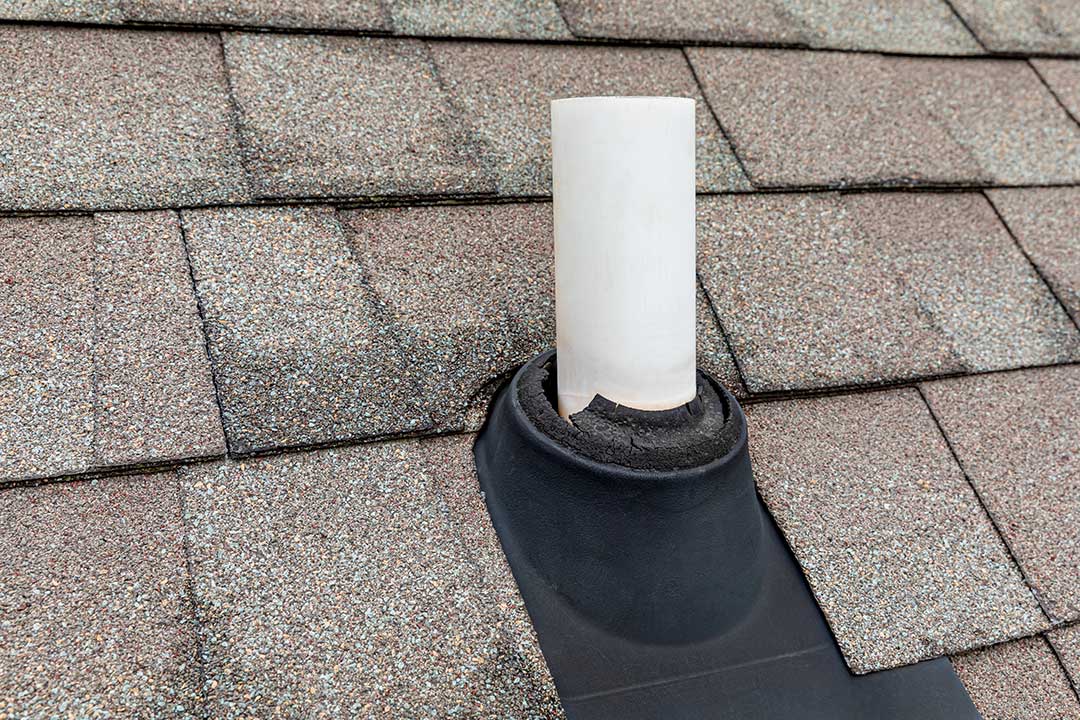
- Torn Flashing: Flashing around chimneys, vents, and skylights may peel up, letting water seep in at vulnerable joints.
- Lifted or Bent Metal Panels: On homes with metal or synthetic materials, seams and fasteners can loosen, causing panels to shift or warp.
- Hidden Weakening: Even when no shingles appear missing, wind can loosen roofing materials, allowing water to get underneath and cause gradual rot or mold.
- Gutter and Downspout Issues: High winds often dislodge or bend gutters, which can result in improper drainage and water pooling at the edges of the roof.
How Can You Spot Wind Damage After a Storm?
Early detection helps prevent minor issues from becoming major repairs. Residents can check for wind damage visually without needing to get on the roof:
- Look for missing, curled, or cracked shingles visible from the ground.
- Check the lawn and landscaping for shingle fragments or pieces of flashing.
- Inspect attic ceilings for signs of new leaks or water stains, especially after wind-driven rain.
- Examine gutters for sections that have pulled away or are hanging at odd angles.
If any of these signs are present, further inspection may be necessary. Accessing the roof directly poses safety risks, especially after a severe storm. In such cases, consider remote inspection with a camera or binoculars.
Do Building Codes or Local Regulations Help With Wind Resistance?
Building codes in East Amherst set minimum standards for roof construction, but older homes may not meet current guidelines. Newer regulations often require:
- Improved shingle fastening patterns.
- Wind-rated roofing materials and installation techniques.
- Secure attachment of roof decking to the supporting structure.
Permits and code enforcement aim to make new roofs more resilient, but roof age and maintenance history are crucial for existing homes in the community. Code upgrades usually apply when a roof is replaced or repaired after major damage.
How Does Wind Damage Differ From Other Weather Hazards?
Wind rarely acts alone. In East Amherst, severe winds often arrive with heavy rain or snow, which may mask damage or accelerate roof wear:
- Wind-driven rain can force water under loosened shingles.
- Repeated freeze-thaw cycles can worsen already lifted or detached sections.
- Snow combined with wind may lead to drifting and uneven load, stressing problem areas.
Unlike hail or ice, wind doesn’t always leave obvious marks or holes, so its effects are sometimes overlooked or mistaken for age-related wear.
What Can Homeowners Do to Reduce Future Wind Damage?
Routine maintenance is the most effective way to keep roofs resilient:
- Inspect roof and attic at least twice a year, especially after major wind events.
- Replace loose or missing shingles promptly.
- Trim trees, especially limbs that hang over the roof and can break or whip against surfaces in high winds.
- Keep gutters clean and securely fastened.
- Ensure attic ventilation is unobstructed, as this prevents wind uplift from inside.
Upgrades like wind-rated shingles or reinforced roof decking provide added security, particularly for homes scheduled for re-roofing in the near future.
Are There Common Misconceptions About Roof Wind Damage?
A few misunderstandings often lead homeowners to underestimate risks:
- Not all damage is immediately visible; loosened shingles can appear intact until the next storm.
- Wind speed reported in forecasts may not match gusts; sudden, brief gusts are often responsible for the worst roof impacts.
- Age is not the only factor; even relatively new roofs can sustain damage if installation was improper or materials are not suited to local wind patterns.
Staying attentive to small changes in roof appearance and understanding how wind interacts with different roof materials will help area households better protect their homes from the next severe storm.
