
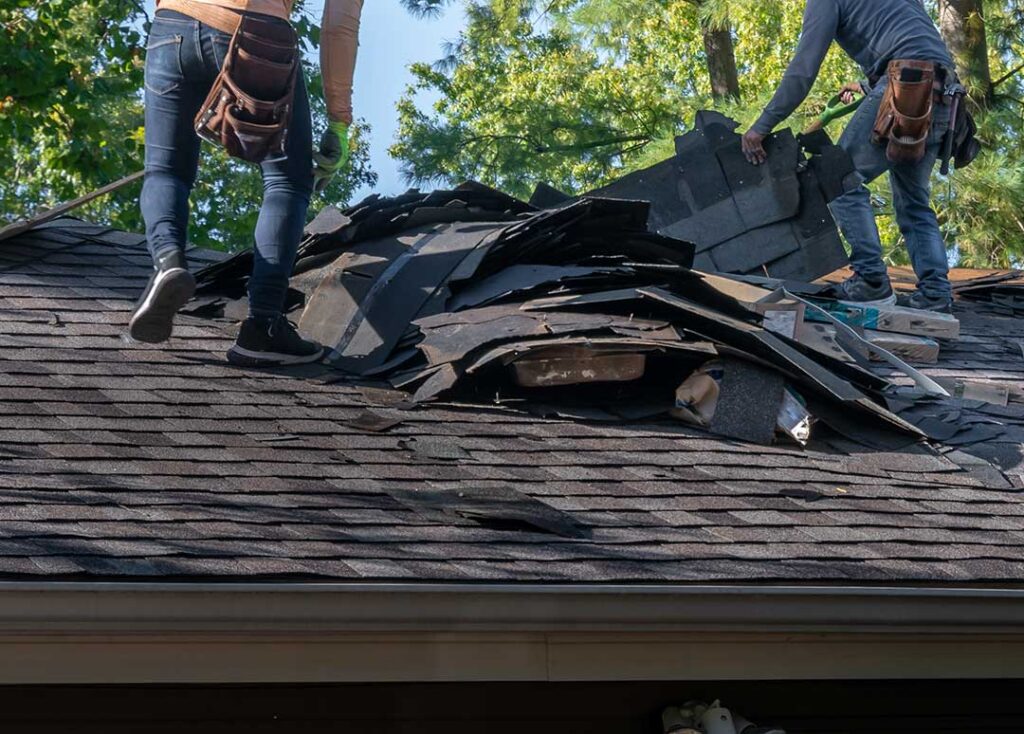
What Is Roof Decking?
Roof decking is the structural foundation of any residential roof system. It refers to the boards or panels installed over the rafters that serve as the base for shingles or other roofing materials. For homes in East Amherst, a solid and well-maintained roof deck is crucial because it not only supports the weight of the outer roofing layers but also affects energy efficiency, weather resistance, and long-term durability.
Typical decking materials include plywood, oriented strand board (OSB), and, in older homes, wood planks. The choice of material often depends on the home's age, building codes, and intended roofing method.
Why Does Roof Decking Matter for Homes in This Area?
In East Amherst, roof decking plays a key role in protecting homes from moisture, snow loads, and seasonal weather variations. Solid decking helps prevent leaks, reduces the risk of ice dams, and provides a safe surface for roofing work. Without a reliable deck, other roof components can fail early—even if the shingles look fine from the ground.
Snow and ice are frequent during the winter months in East Amherst. If the decking isn’t properly installed and maintained, heavy snow loads can cause sagging, warping, or even collapse in severe cases.
How Can Homeowners Identify Problems With Decking?
Early detection of decking issues helps East Amherst homeowners avoid more costly problems later. The most common warning signs that roof decking may need attention include:
- Soft, spongy, or uneven areas when walking in the attic or on the roof (unsafe—don’t climb if unsure)
- Visible sagging or dips between rafters from the exterior
- Water stains on attic ceilings or rafters, suggesting a possible leak above the decking
- Persistent roof leaks, especially after storms or heavy snow thaw
- Increased creaking or unusual noises from the attic after winter
In the city, many older homes may have wood plank decks that can rot or split more easily if exposed to moisture over decades. More recently built homes typically use plywood or OSB, which resist some problems but will still deteriorate with repeated water exposure.
What Are Common Decking Materials in Local Homes?
Most homes in East Amherst use either plywood (usually 1/2” or 5/8” thick) or OSB panels for decking. Older houses—especially those built before the 1960s—may have tongue-and-groove wood planks. Each material has benefits and limitations.
- Plywood is resilient and resists warping, making it suitable for humid or damp climates.
- OSB is cost-effective and offers similar strength but can be more vulnerable to long-term water infiltration.
- Plank decking, found in historic homes, may provide character but often needs reinforcement to meet modern roofing requirements.
Local building codes in the city set minimum standards for thickness and fastener spacing to keep roofs safe and able to handle snow loads.
Do I Need to Replace Roof Decking During Every Reroof?
Not always. If the existing deck is sound, free from rot, and meets code, it can often be reused. However, if inspection finds water damage, widespread rot, or structural problems, a partial or full replacement may be needed. Common misconceptions include:
- Believing all roof leaks require total replacement of the entire deck (often only affected areas need fixing)
- Assuming all historic plank decking is automatically inadequate (many are still in good condition, though some reinforcement may be needed)
Roofers typically perform a deck inspection before any major roofing work to ensure safe installation and code compliance.
Can Decking Problems Lead to Bigger Issues If Ignored?
Yes. Compromised roof decking weakens the whole roofing system. In East Amherst, climate-related factors like freeze-thaw cycles and heavy snow can quickly make small problems worse. Some overlooked risks include:
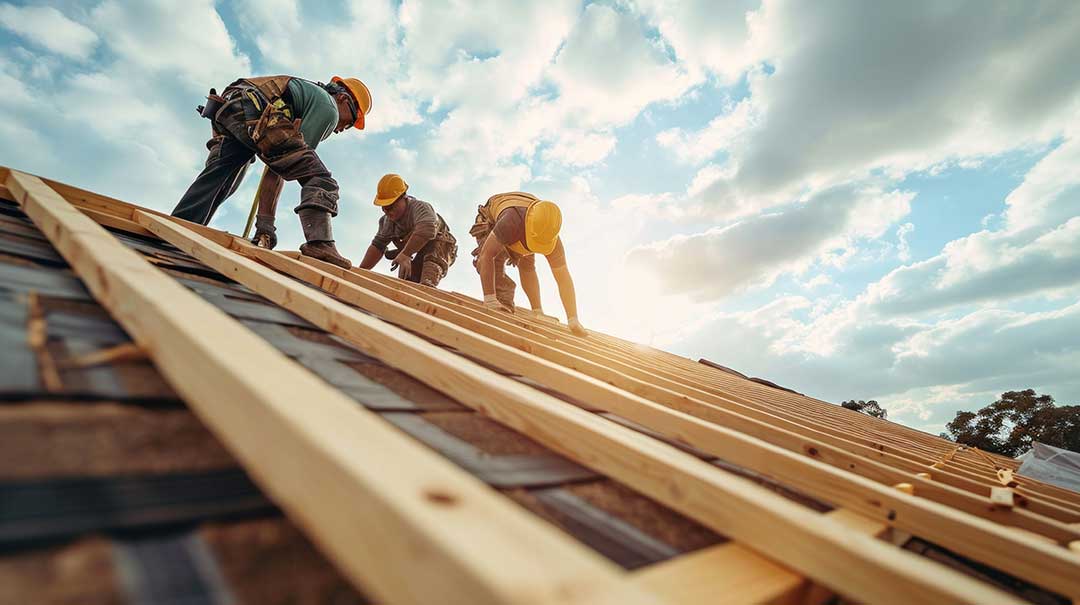
- Reduced support for new shingles, leading to premature wear or blow-off during windstorms
- Higher risk of attic mold, poor insulation, or pest entry where boards are loose or rotted
- Costlier repairs, since damaged decking can force the removal of new shingles if not fixed first
By catching issues early, the community can prevent many of the more disruptive and expensive repairs that come with widespread decay.
What Maintenance Helps Extend the Life of Roof Decking?
Proper attic ventilation, regular roof inspections, and prompt leak repairs do the most to preserve roof decking for the long term. Specific recommendations for area households include:
- Checking attic insulation and airflow—adequate ventilation reduces condensation and moisture buildup
- Keeping gutters and downspouts clear so water doesn’t back up beneath shingles or along the roof’s edge
- Watching for shingle damage after heavy snow or ice, which may signal problems below
If ice dams are a recurring issue in the city, additional attic insulation or air sealing may help prevent meltwater from pooling and damaging decking.
Are There Local Considerations When Upgrading or Repairing Decking?
Homes in East Amherst must comply with regional building codes for roofing. For example:
- Local codes require snow load ratings that may dictate minimum decking thickness
- Permits may be required for major roof or deck replacement jobs
- Proper disposal of old materials—especially those that may contain asbestos in very old homes—needs to follow municipal safety regulations
Understanding these rules helps area residents stay safe and avoid code violations during major roof projects.
