
Roof coatings are liquid-applied materials designed to create a protective layer over an existing roof surface. They may help reduce water intrusion, slow weathering, improve reflectivity, and extend the service life of a roof that is still fundamentally sound. They are not a universal substitute for roof replacement, and they cannot correct every type of roofing problem.
For homeowners in East Amherst, NY, the value of a coating depends heavily on the roof’s age, material, slope, drainage, ventilation, and exposure to repeated freeze-thaw cycles. A coating decision should begin with the condition of the roof underneath it.
What is a roof coating?
A roof coating is a continuous membrane applied over an existing roofing surface. Depending on the product and roof type, it may be made from acrylic, silicone, polyurethane, asphalt-based compounds, or other specialized materials.
After curing, the coating forms a protective layer that can:
- Seal small surface-level cracks and imperfections
- Reduce ultraviolet exposure
- Limit moisture absorption
- Reflect some solar heat
- Protect roofing materials from weathering
- Improve the appearance of a worn but serviceable roof
Coatings are used most often on low-slope roofs, modified bitumen roofs, metal roofs, and certain membrane systems. They are less commonly suitable for traditional steep-slope shingle roofs, where the existing shingles, flashing, and ventilation system must be evaluated separately.
What are the main benefits of roof coatings?
The strongest advantage is that a coating can add another layer of protection without removing the entire existing roof. That may reduce disposal, labor, and disruption compared with a full tear-off, provided the underlying roof remains structurally sound.
Extended service life
A properly selected and installed coating may slow the deterioration of roofing materials. It can reduce exposure to sunlight, rain, wind, and repeated wetting and drying. This does not make an old roof new, but it may help postpone replacement when the remaining roof system is otherwise stable.
Additional water resistance
A seamless coating can cover some small surface defects and reduce the number of exposed seams. This can be helpful on low-slope roofs, where water may drain more slowly than it does on a steep roof.
However, a coating cannot reliably stop leaks caused by failed flashing, open seams, rotted decking, blocked drains, or movement in the structure. Those problems must be corrected before coating.
Reduced heat absorption
Some light-colored coatings reflect more sunlight than dark roofing materials. During sunny weather, that can reduce the amount of heat absorbed by the roof surface and may improve comfort in upper rooms or buildings with low-slope roofs.
This benefit is usually more noticeable on commercial-style or flat roof areas than on steep residential roofs with attic insulation. A reflective coating does not replace adequate insulation or ventilation.
Less tear-off waste
Because the existing roofing may remain in place, coating can sometimes reduce the amount of material sent to a landfill. It may also create less noise and disruption than removing an entire roof system.
That environmental advantage only applies when the existing roof is suitable for restoration. Coating over a failing roof simply delays the same disposal problem and may make future removal more complicated.
What are the disadvantages and limitations?
Roof coatings have meaningful drawbacks. The most serious is the risk of using one to cover problems that require repair or replacement.
They cannot repair major roof damage
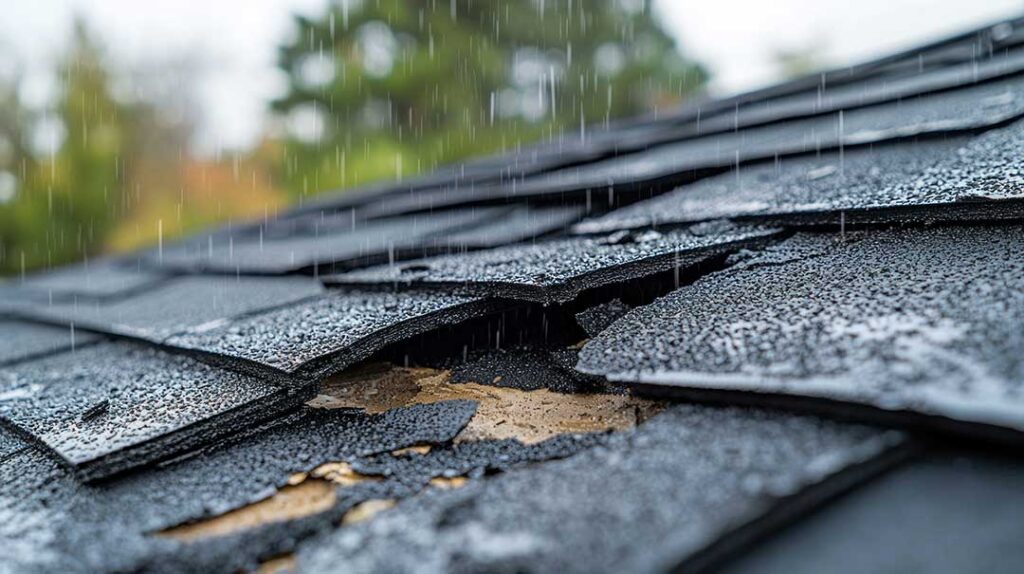
A coating is not a structural repair. It will not restore rotted decking, replace missing shingles, correct widespread blistering, rebuild damaged insulation, or fix a roof that has lost its ability to shed water.
Warning signs that a coating may be inappropriate include:
- Soft or spongy areas underfoot
- Widespread water damage
- Sagging roof sections
- Large areas of bubbling or delamination
- Repeated leaks in several locations
- Extensive rust or corrosion on metal roofing
- Loose, missing, or severely deteriorated roofing materials
Surface preparation is critical
Dirt, algae, loose granules, rust, grease, and trapped moisture can prevent a coating from bonding correctly. The roof may need cleaning, drying, seam treatment, fastener repair, or primer before the coating is applied.
If preparation is rushed, the new layer may peel, crack, blister, or separate from the roof. A coating that looks uniform immediately after application can still fail prematurely if moisture is trapped underneath.
Weather affects installation
Coatings generally need suitable temperatures and dry conditions during application and curing. In a region with cold winters, wet springs, and changing fall weather, the installation window may be limited.
Applying a coating shortly before freezing temperatures, prolonged rain, or heavy dew can interfere with curing. Ice, snow, and persistent moisture can also expose existing weaknesses that are difficult to evaluate during cold weather.
Future repairs may be more complicated
A coated roof can be repaired, but the coating may make it harder to identify the original material or locate the exact source of a leak. Some repairs require compatible patching products or additional surface preparation.
Recordkeeping helps. Keeping the coating type, application date, and maintenance history can make later repairs more predictable.
Are roof coatings suitable for asphalt shingles?
Usually, coating is not the first choice for a typical steep-slope asphalt shingle roof. Shingles are designed to shed water through overlapping courses, and many coatings can interfere with their intended performance.
Coating shingles may trap moisture, obscure damaged areas, affect granule adhesion, or create problems with ventilation. A roof with isolated wear may need targeted repairs, while a roof with widespread granule loss, curling, cracking, or age-related deterioration may be closer to replacement than restoration.
There are specialized products marketed for certain shingle applications, but suitability depends on the shingle type, roof condition, ventilation, and manufacturer requirements. A generic coating should not be assumed to work on every residential roof.
Which roof materials are more commonly coated?
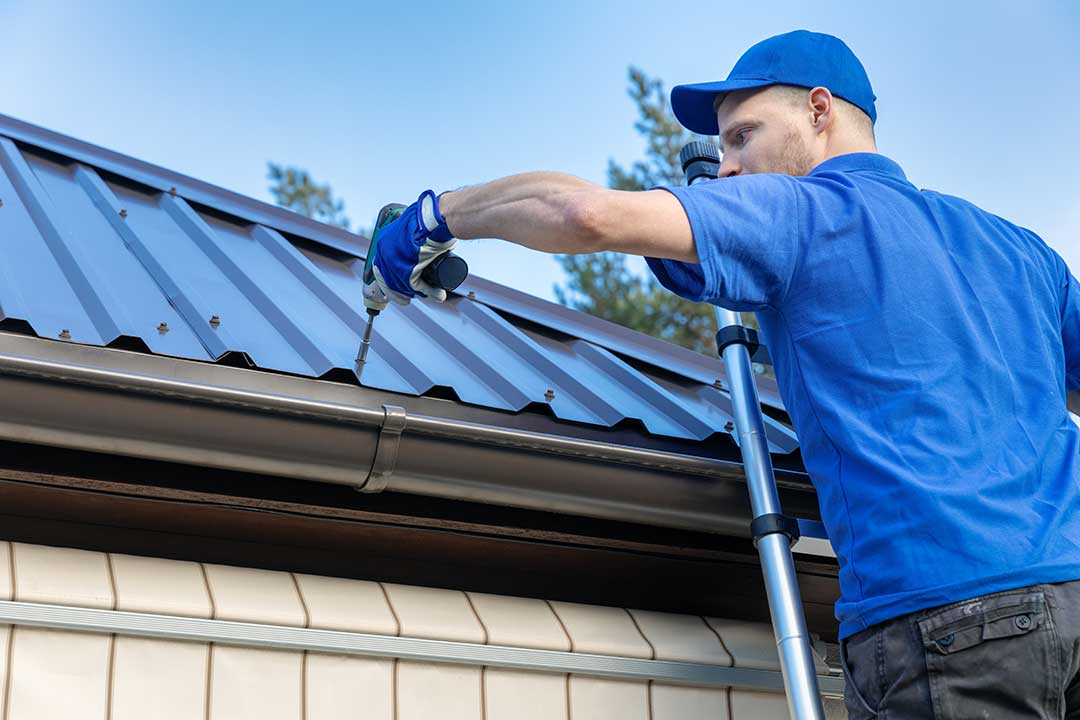
Coatings are more commonly considered for:
- Low-slope membrane roofs
- Modified bitumen roofing
- Metal roofing
- Certain built-up roofing systems
- Some previously coated roof assemblies
Compatibility matters. Acrylic coatings may perform differently from silicone or polyurethane coatings, especially in areas that remain wet for long periods. Asphalt-based coatings may have different flexibility, odor, and weathering characteristics.
The coating must also be compatible with primers, seam treatments, insulation, flashing, and the existing roof membrane. Mixing incompatible materials can create adhesion failures or premature cracking.
How does local winter weather affect roof coating decisions?
In East Amherst, freeze-thaw cycles are a practical concern. Water can enter small cracks or seams, freeze, expand, and gradually enlarge the defect. Snow accumulation, ice dams, wind-driven rain, and clogged drainage paths can place additional stress on a roof system.
A coating may reduce water exposure, but it does not eliminate the need for:
- Clear drains, scuppers, and gutters
- Properly sealed flashing
- Adequate attic ventilation
- Secure metal edges and penetrations
- Regular removal of damaging debris
- Inspection after severe weather
Roof coatings also do not prevent ice dams caused by heat loss, poor insulation, or inadequate ventilation. Those conditions must be addressed separately.
Is a roof coating cheaper than replacement?
Often, the initial cost is lower because less material is removed and less labor may be required. But the lower price does not automatically mean better value.
A coating makes financial sense only if it provides useful additional service life and does not postpone necessary structural work. A roof that needs extensive repairs before coating may lose much of its cost advantage. The expected service life, maintenance requirements, warranty conditions, and eventual replacement plan should all be considered.
What should homeowners check before choosing a coating?
The most useful questions are about the existing roof, not the coating alone:
- Is the roof dry and structurally sound?
- Are leaks caused by the field membrane, flashing, or drainage?
- Is the existing surface compatible with the proposed material?
- Can trapped moisture be detected and corrected?
- Will the coating remain flexible through winter temperature changes?
- How will future repairs be performed?
- What maintenance will be required?
- Does the product require a specific primer or application thickness?
The central distinction is simple: roof coating is a restoration measure for a roof with useful life remaining, not a cure for a roof that has already failed. On the right roof, it can provide added protection and delay disruption. On the wrong roof, it can conceal damage and make future problems more difficult to manage.
